
Skip to content

Thoughtful research. Clearer manuscripts. More confident submissions.

Education research depends on readers understanding the classroom, school, or system behind it.

Education: Educational research, learning sciences, pedagogy, assessment, and higher education.

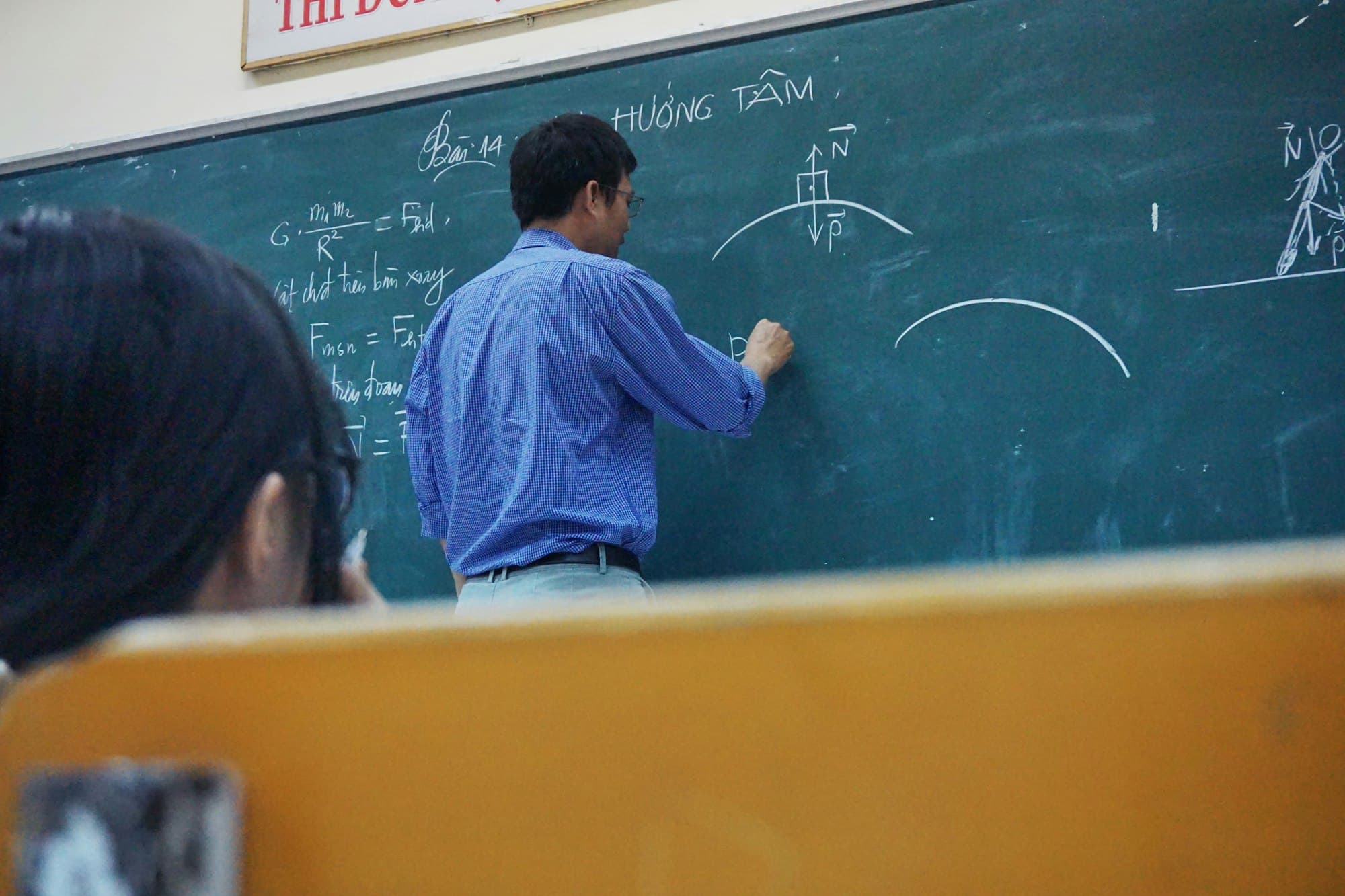
A teacher writing physics diagrams on a chalkboard, seen from behind a student’s seat.

What editors in this field look for

Students raising their hands in a lecture hall as a lecturer points to one of them.
  1. 01

    Contextual reporting

  2. 02

    Methodology and its rationale

  3. 03

    Ethics with students and institutions

  4. 04

    Audience and implications

  5. 05

    Transferability and generalization

Typical manuscripts and outputs

Empirical research articles
Quantitative, qualitative, and mixed-methods studies of teaching, learning, assessment, and educational organizations.
Intervention and evaluation studies
Trials and quasi-experimental evaluations of programs or curricula, where design, implementation fidelity, and outcome measures receive close scrutiny.
Design-based and practitioner research
Iterative studies developed with teachers or institutions, and inquiry by educators into their own practice, reported with attention to cycles, data, and the researcher’s position.
Practice-oriented articles
Shorter pieces for teachers and leaders in professional journals, translating research into classroom or institutional practice.
Policy analyses and literature reviews
Reviews of evidence and analyses of policy that inform decision-makers and set agendas for further research.

Common writing and submission challenges

  • Too little context, or too much

  • Implications that outrun the data

  • Insider research without reflexivity

  • A contribution that stays local

  • Mismatch between manuscript and audience

Choosing a journal in this field

More on this in how to choose a journal beyond its impact factor.

Support that often fits

  • Manuscript Editing

    Clarifies contextual description, methodology, and the link between findings and implications for practice or policy.

  • Journal Selection Guidance

    Compares research, practitioner, and policy-oriented journals by audience, subject focus, international reach, and publishing model.

  • Research Communication

    Helps translate findings into plain-language summaries and briefs for teachers, school leaders, and policymakers.

  • Journal Formatting

    Prepares manuscripts to APA Style or a journal’s own requirements, including abstracts, tables, and reference lists.

Authoritative resources

Official guidance worth reading alongside your target journal’s instructions.

  1. [1]Standards for Reporting on Empirical Social Science Research in AERA Publications (external link) · American Educational Research Association (AERA)Reporting standards for empirical education research, with companion standards for humanities-oriented research.
  2. [2]Ethical Guidelines for Educational Research (fifth edition, 2024) (external link) · British Educational Research Association (BERA)Freely available guidance on consent, participants’ rights, and researchers’ responsibilities in educational research.
  3. [3]What Works Clearinghouse Handbooks and Resources (external link) · Institute of Education Sciences, U.S. Department of EducationThe standards used to review intervention studies, useful when designing and reporting evaluations.
  4. [4]ERIC: Education Resources Information Center (external link) · Institute of Education Sciences, U.S. Department of EducationA large database of education research for locating comparable studies and the journals that publish them.

From the research library

Follow the publishing journey

How to choose a journal beyond its impact factor

Impact factor is one signal among many. This framework covers scope, readership, editorial policies, indexing, fees, and warning signs so you can build a shortlist you can defend.

Journal Selection8 min read

Writing a clearer title and abstract

Editors, reviewers, and search tools often see only your title and abstract. Here is how to make both accurate, specific, and easy to find, without overselling the findings.

Research Communication6 min read

How to verify whether a journal is currently indexed

A journal’s claim to be indexed is a starting point, not evidence. Here is how to confirm current coverage in Scopus, Web of Science, and DOAJ, and how to record what you found.

Journal Selection7 min read

Questions from researchers in education

Can action research or practitioner inquiry be published in research journals?
What permissions do I need to report research conducted in schools?
Should I write for researchers or for teachers?
Is support suitable for my education manuscript?

Working on something specific?

Tell us the topic and the journal you have in mind. We confirm fit before proposing anything.

Ask about your manuscript

Discuss a manuscript in this field.

Tell us the topic, the study design, and where you hope to submit. We’ll confirm whether we can help well before proposing anything.