
Skip to content

Thoughtful research. Clearer manuscripts. More confident submissions.

Humanities scholarship is published on the strength of its argument.

Humanities & Arts: History, languages, literature, philosophy, cultural studies, and related scholarly work.

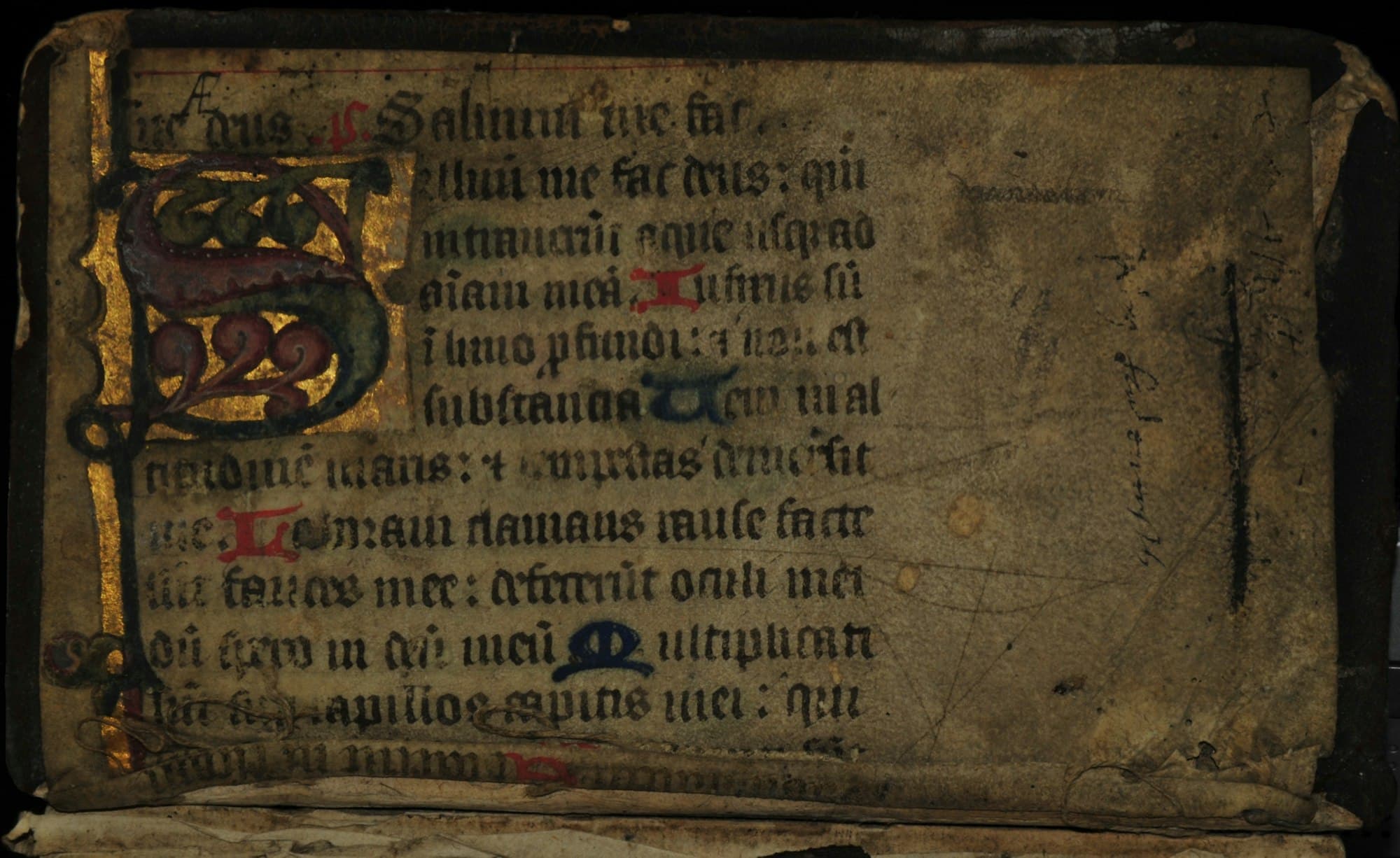
A page of a medieval manuscript with an illuminated initial and red and blue capitals.

What editors in this field look for

A group discussion in an art gallery, with people seated and standing before colorful geometric paintings.
  1. 01

    Argument structure and thesis

  2. 02

    Engagement with scholarship

  3. 03

    Source handling and citation

  4. 04

    Archives and permissions

  5. 05

    Images, rights, and reproductions

Typical manuscripts and outputs

Journal articles
Argument-driven essays of substantial length, often with extensive notes, that contribute to a specific scholarly debate.
Monographs
Book-length studies published by university and academic presses, usually proposed through a prospectus and sample chapters before full review.
Book chapters and edited volumes
Contributions to thematic collections, where each chapter must fit the volume’s framing while standing on its own as an argument.
Critical editions and translations
Scholarly editions and annotated translations of primary texts, with an apparatus explaining sources, editorial decisions, and translation choices.
Review essays and book reviews
Assessments of recent scholarship that place one or more books within a field’s ongoing debates.

Common writing and submission challenges

  • A thesis that emerges only at the end

  • Converting a dissertation chapter

  • Notes that carry too much

  • Inconsistent quotation and translation

  • Permissions left until acceptance

Choosing a journal in this field

More on this in how to choose a journal beyond its impact factor.

Support that often fits

  • Manuscript Editing

    Strengthens argument structure, transitions, and prose while preserving the author’s voice and interpretive choices.

  • Journal Formatting

    Applies Chicago, MLA, MHRA, or a publisher’s house style consistently across notes, bibliography, quotations, and captions.

  • Publication Consultation

    Helps weigh article, chapter, and monograph routes, including how to adapt dissertation chapters into publishable work.

  • Reviewer Response & Resubmission

    Helps plan revisions when reviewers ask for deeper engagement with scholarship or a restructured argument.

Authoritative resources

Official guidance worth reading alongside your target journal’s instructions.

  1. [1]The Chicago Manual of Style Online (external link) · University of Chicago PressThe reference for notes-and-bibliography and author-date citation; full access requires a subscription, while the Q&A and citation quick guide are free.
  2. [2]MLA Style Center (external link) · Modern Language AssociationFree guidance on MLA documentation, quotation, and formatting from the MLA.
  3. [3]The MHRA Style Guide (external link) · Modern Humanities Research AssociationAn open access guide to references, quotations, notes, and other conventions widely used in humanities publishing.
  4. [4]Code of Best Practices in Fair Use for the Visual Arts (external link) · College Art AssociationGuidance on the fair use of images in scholarship and publishing under U.S. law.

From the research library

Follow the publishing journey

What academic editing can—and cannot—change

Editing can make a manuscript clearer, more consistent, and easier to review. It cannot validate your methods, repair your data, or decide the outcome. Here is where the line falls.

Academic Writing6 min read

How to choose a journal beyond its impact factor

Impact factor is one signal among many. This framework covers scope, readership, editorial policies, indexing, fees, and warning signs so you can build a shortlist you can defend.

Journal Selection8 min read

What a revise-and-resubmit decision really means

A revise-and-resubmit is an invitation, not an acceptance. Learn how the common editorial decisions differ, what an R&R does and does not signal, and how to plan your next step.

Peer Review6 min read

Questions from researchers in humanities and arts

Should I publish my dissertation as articles or as a book?
Which citation style should I use for a humanities journal?
Do I need permission to reproduce images or quote archival material?
Is editorial support suitable for my area of the humanities?

Working on something specific?

Tell us the topic and the journal you have in mind. We confirm fit before proposing anything.

Ask about your manuscript

Discuss a manuscript in this field.

Tell us the topic, the study design, and where you hope to submit. We’ll confirm whether we can help well before proposing anything.