Skip to content

Thoughtful research. Clearer manuscripts. More confident submissions.

In engineering, a paper is only as convincing as its methods, figures, and units.

Engineering & Technology: Electrical, mechanical, civil, industrial, and multidisciplinary engineering research.

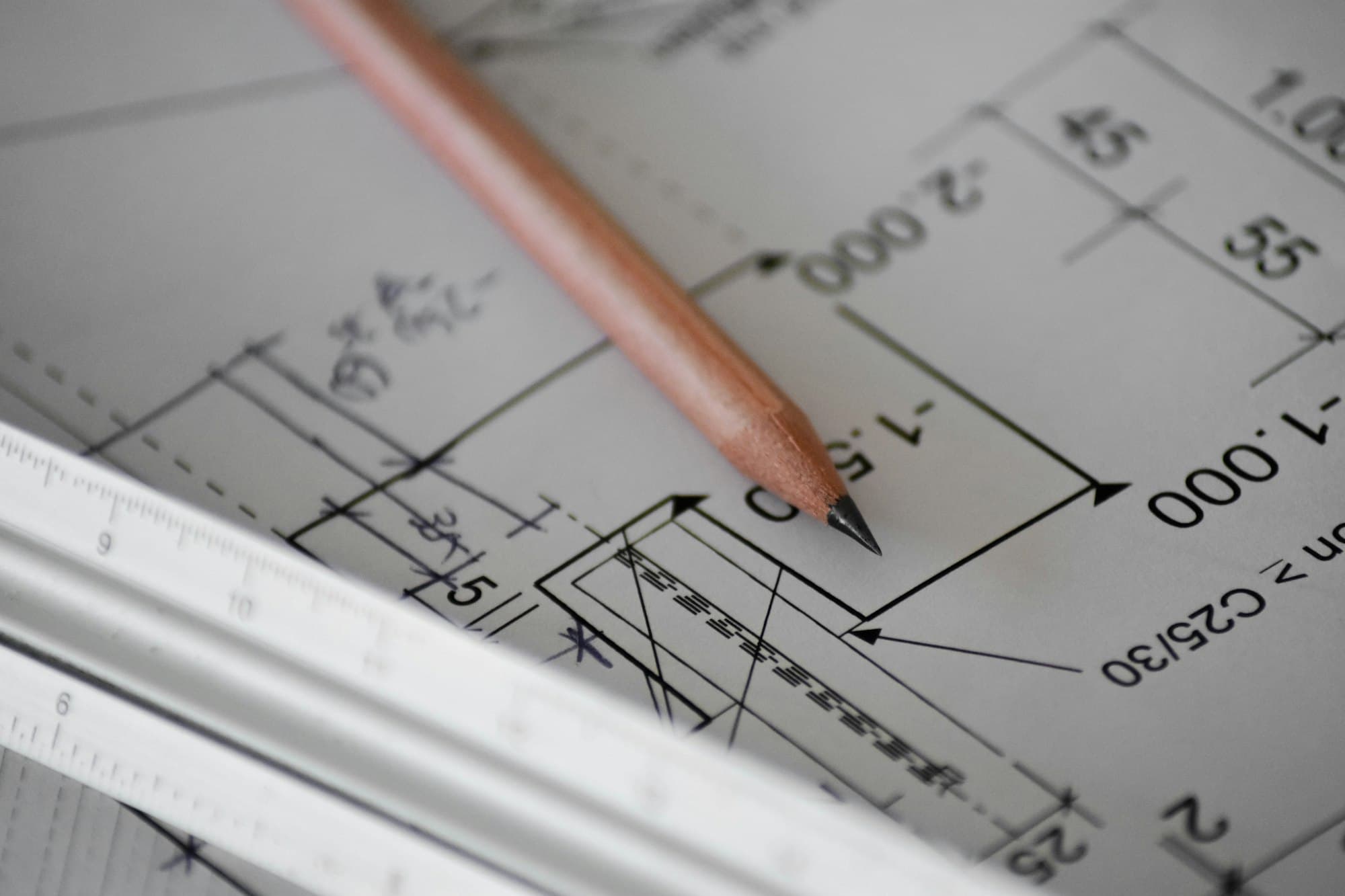
A pencil and scale ruler on a technical drawing with dimension lines.

What editors in this field look for

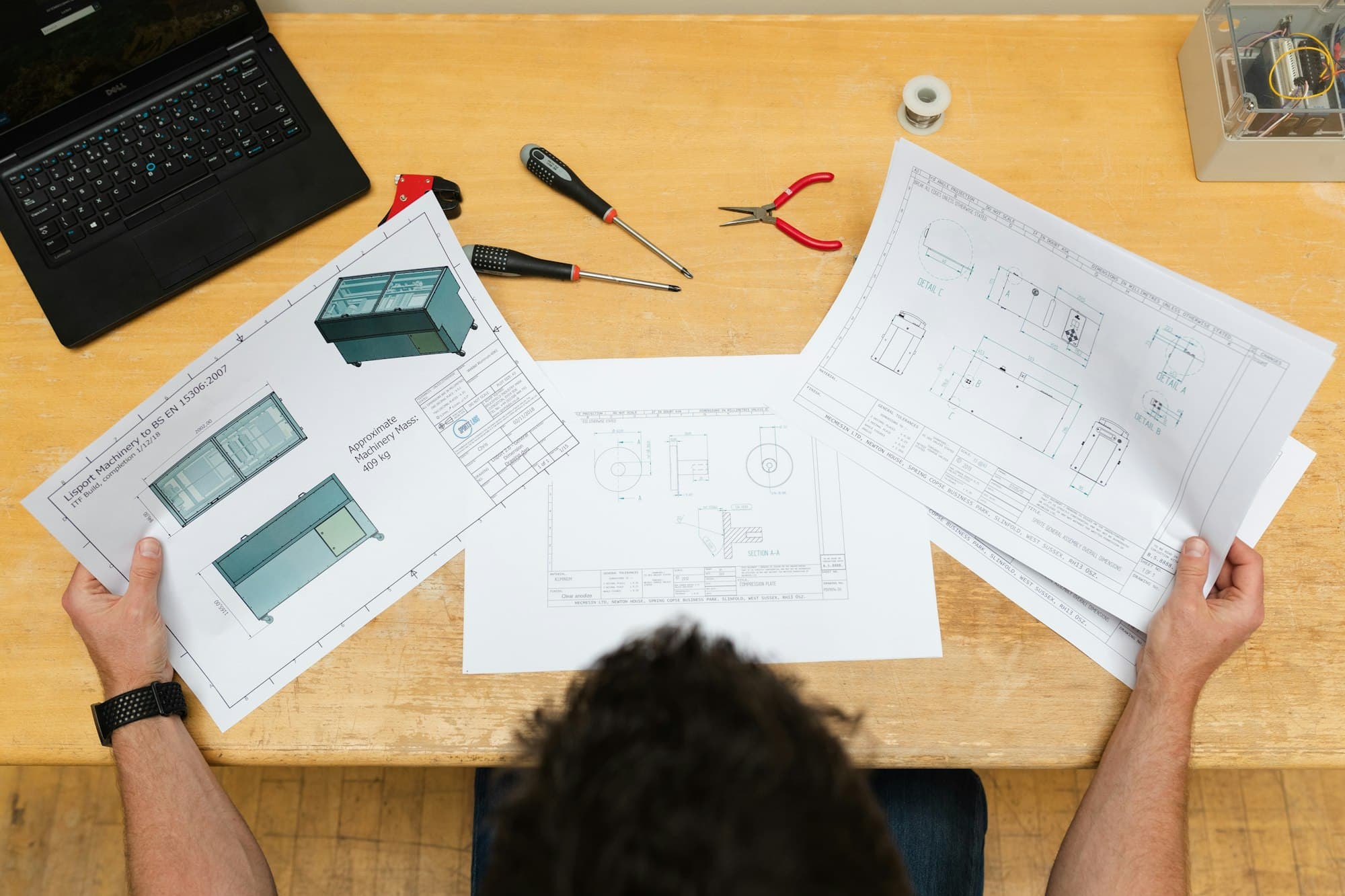
Seen from above, an engineer holds printed technical drawings at a wooden desk with screwdrivers and pliers.
  1. 01

    Technical figures and schematics

  2. 02

    Methods and experimental reporting

  3. 03

    Units, quantities, and notation

  4. 04

    Equations and symbol consistency

  5. 05

    Supplementary material and data

Typical manuscripts and outputs

Journal research articles
Full-length papers presenting a new design, method, model, or experimental finding, validated against existing approaches and framed around a clear contribution.
Conference papers
Shorter papers written to a strict page limit and template for presentation and publication in proceedings; in some subfields they are a main venue for new results.
Extended versions of conference papers
Journal articles that build on a published conference paper with substantial new material, disclosing the earlier version and explaining what has been added.
Review and tutorial articles
Surveys of a technology or method that organize the literature, compare approaches, and identify open problems for researchers and practitioners.
Technical notes, letters, and applied case studies
Brief reports of a focused result or design improvement, and applied studies documenting how a method performed in a particular project or industrial setting.

Common writing and submission challenges

  • A contribution buried in technical detail

  • Figures that fail at print size

  • Validation that leaves questions open

  • Text carried over from a conference version

  • Template and reference style mismatches

Choosing a journal in this field

More on this in how to choose a journal beyond its impact factor.

Support that often fits

  • Manuscript Editing

    Clarifies methods and results sections while keeping technical terms, symbols, and units consistent from the first equation to the last figure.

  • Journal Formatting

    Adapts a manuscript to IEEE, ASME, or other publisher templates, including reference style, equation layout, and figure specifications.

  • Journal Selection Guidance

    Weighs conference and journal options and compares journals by scope, balance of theory and application, and publishing model.

  • Research Communication

    Helps turn dense technical results into clearer abstracts, graphical abstracts, and conference posters.

Authoritative resources

Official guidance worth reading alongside your target journal’s instructions.

  1. [1]The International System of Units (SI Brochure) (external link) · Bureau International des Poids et Mesures (BIPM)The definitive reference for SI units, prefixes, symbols, and the rules for writing them.
  2. [2]Guide for the Use of the International System of Units (SP 811) (external link) · National Institute of Standards and Technology (NIST)Practical guidance on expressing values, units, and quantity symbols consistently in technical writing.
  3. [3]IEEE Editorial Style Manual (external link) · IEEEStyle rules for IEEE journals and transactions, including references, equations, abbreviations, and units.
  4. [4]Information for Authors (external link) · ASMETemplates and manuscript preparation guidance for ASME journals.

From the research library

Follow the publishing journey

The pre-submission checklist for journal articles

A practical, area-by-area checklist for the final stage before submission, from author guidelines and declarations to reporting guidelines, ORCID, and the last read-through.

Manuscript Preparation7 min read

How to choose a journal beyond its impact factor

Impact factor is one signal among many. This framework covers scope, readership, editorial policies, indexing, fees, and warning signs so you can build a shortlist you can defend.

Journal Selection8 min read

How to respond to reviewer comments point by point

A clear response letter answers every comment, shows exactly what changed and where, and handles disagreement with evidence. Here is a method that keeps the letter and manuscript in step.

Peer Review6 min read

What academic editing can—and cannot—change

Editing can make a manuscript clearer, more consistent, and easier to review. It cannot validate your methods, repair your data, or decide the outcome. Here is where the line falls.

Academic Writing6 min read

Questions from researchers in engineering and technology

Can a conference paper be extended into a journal article?
Should every value in my paper be converted to SI units?
Does editing change equations or technical content?
Is support available for my particular engineering specialty?

Working on something specific?

Tell us the topic and the journal you have in mind. We confirm fit before proposing anything.

Ask about your manuscript

Discuss a manuscript in this field.

Tell us the topic, the study design, and where you hope to submit. We’ll confirm whether we can help well before proposing anything.