
Skip to content

Thoughtful research. Clearer manuscripts. More confident submissions.

In the natural sciences, results are only as credible as the methods and data behind them.

Natural & Environmental Sciences: Biology, chemistry, environmental studies, earth sciences, and interdisciplinary research.

A field sketchbook with a pressed fern and an ink drawing of a fern, lying in long grass.

What editors in this field look for

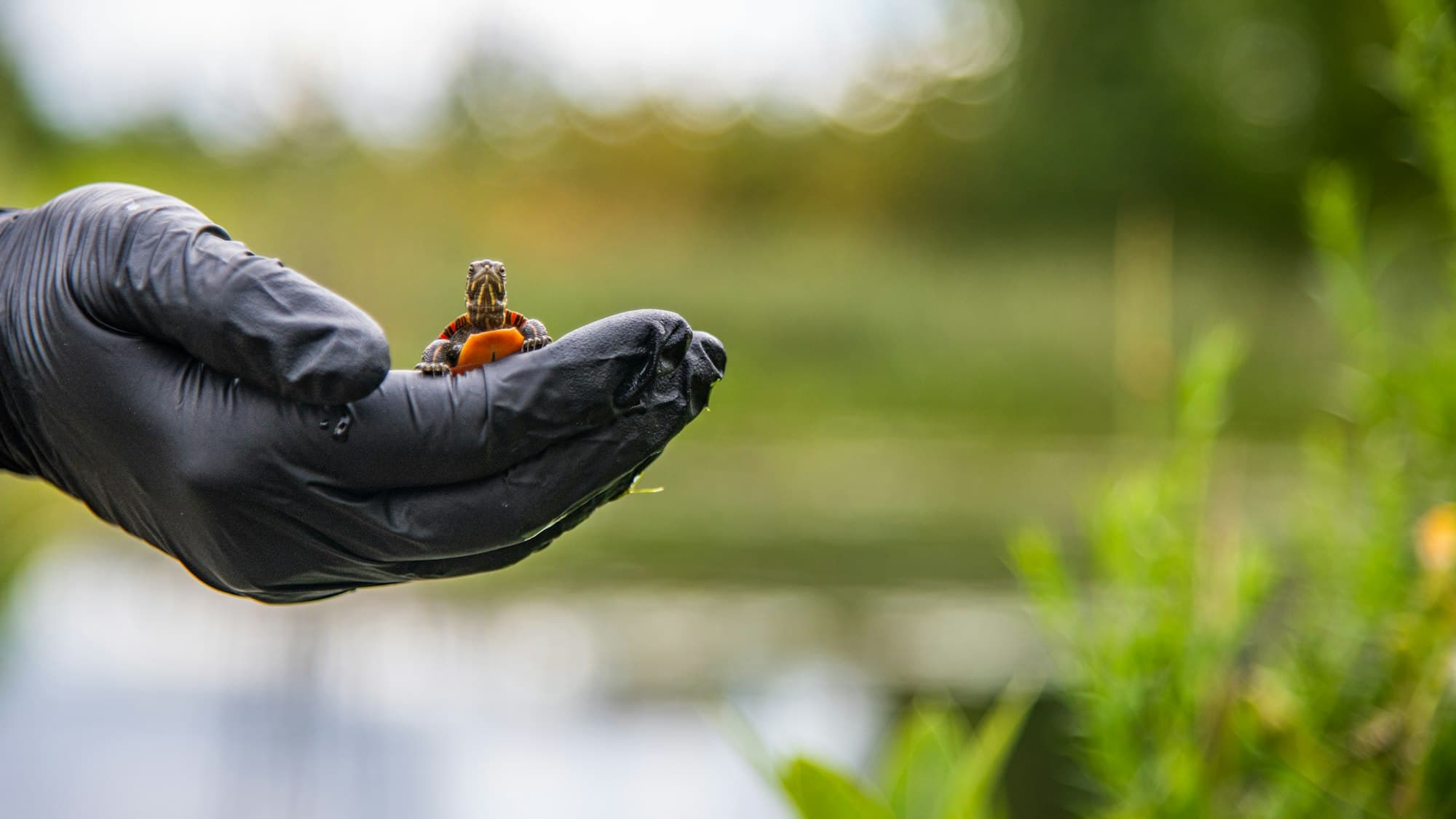
A gloved hand holding a small turtle beside a green wetland.
  1. 01

    Methods detail and replication

  2. 02

    Figures, images, and maps

  3. 03

    Data reporting and repositories

  4. 04

    Units and nomenclature

  5. 05

    Permits, animal research, and genetic resources

Typical manuscripts and outputs

Research articles
Full reports of experimental, observational, field, or modeling studies, with methods and data sufficient for evaluation and replication.
Short communications and letters
Concise reports of a focused finding, often with strict limits on words and figures and with extended methods in supplementary files.
Data papers and data descriptors
Articles describing how a dataset was collected, structured, and quality-controlled, and how it can be reused, published alongside the deposited data.
Reviews and syntheses
Narrative reviews, systematic reviews, and meta-analyses that bring together evidence on a process, taxon, class of compounds, or environmental problem.
Methods and protocol papers
Articles presenting a new technique, instrument, or analytical protocol, validated against existing approaches.

Common writing and submission challenges

  • Methods split between text and supplements

  • Statistics that do not match the design

  • Figures overloaded with information

  • Data that cannot be found or reused

  • Writing for an interdisciplinary audience

Choosing a journal in this field

More on this in how to choose a journal beyond its impact factor.

Support that often fits

  • Manuscript Editing

    Clarifies methods and results while keeping nomenclature, units, and terminology consistent across text, tables, and figure legends.

  • Journal Formatting

    Checks figure specifications, supplementary file labeling, data availability statements, and references against the target journal’s requirements.

  • Journal Selection Guidance

    Compares specialist and interdisciplinary journals by scope, data policy, study types published, and publishing model.

  • Research Communication

    Supports graphical abstracts, posters, and plain-language summaries for work with audiences beyond the subfield.

Authoritative resources

Official guidance worth reading alongside your target journal’s instructions.

  1. [1]FAIR Principles (external link) · GO FAIRThe findable, accessible, interoperable, and reusable principles for research data and metadata.
  2. [2]ARRIVE Guidelines (external link) · NC3RsReporting guidelines for research involving animals, with an essential checklist and explanations.
  3. [3]IUPAC Nomenclature (external link) · International Union of Pure and Applied Chemistry (IUPAC)Recommendations on naming chemical compounds and on chemical terminology.
  4. [4]re3data: Registry of Research Data Repositories (external link) · re3data.orgA searchable registry of research data repositories by subject, data type, and country.
  5. [5]The Nagoya Protocol on Access and Benefit-sharing (external link) · Secretariat of the Convention on Biological DiversityBackground on obligations that can apply when research uses genetic resources from other countries.

From the research library

Follow the publishing journey

The pre-submission checklist for journal articles

A practical, area-by-area checklist for the final stage before submission, from author guidelines and declarations to reporting guidelines, ORCID, and the last read-through.

Manuscript Preparation7 min read

How to respond to reviewer comments point by point

A clear response letter answers every comment, shows exactly what changed and where, and handles disagreement with evidence. Here is a method that keeps the letter and manuscript in step.

Peer Review6 min read

Writing a clearer title and abstract

Editors, reviewers, and search tools often see only your title and abstract. Here is how to make both accurate, specific, and easy to find, without overselling the findings.

Research Communication6 min read

Questions from researchers in natural and environmental

Where should I deposit my data before submission?
Do I need to report permit numbers for fieldwork?
How should species and chemical names be formatted?
Can support cover interdisciplinary environmental research?

Working on something specific?

Tell us the topic and the journal you have in mind. We confirm fit before proposing anything.

Ask about your manuscript

Discuss a manuscript in this field.

Tell us the topic, the study design, and where you hope to submit. We’ll confirm whether we can help well before proposing anything.